Using an Adaptive User Interface to Optimize Cost Estimation and Decision-Making in Freight Forwarding
Stefan van Brummelen, student 1701792, Masters Data Driven Design.
HU University of Applied Sciences Utrecht, The Netherlands.
Roelof de Vries, Marissa Berk and Erik Hekman
1st and 2nd examiner and supervisor
03-06-2024
Keywords: decision-making efficiency; decision-making quality; advancement of cost
estimation systems; adaptive user interface for cost estimation.
Abstract
Cost estimation and pricing processes are crucial for the efficiency and competitiveness of businesses, particularly in industries such as transportation facing challenges with cost estimation. Current cost estimation systems suffer from three main disadvantages: they lack adaptability to business needs, prioritize budget and schedule over strategic value and stakeholder needs, and demonstrate inflexibility in integrating data sources and supporting beneficial data analysis. This study addressed this challenge by exploring how adaptive user interfaces (AUIs) could enhance decision-making in cost estimation for companies. The research included a case study approach to developing and testing a prototype web application featuring a data-driven cost option comparison tool for freight forwarders. Methodologically, the study involved user recruitment, data collection from APIs, iterative prototype design, and user testing, primarily focusing on evaluating decision quality and efficiency. By integrating real-time data and user feedback, this study aimed to measure the effectiveness of AUIs in improving decision-making processes, contributing to the advancement of cost estimation systems in business contexts. Furthermore, the study revealed several key findings: participants emphasized the importance of data accuracy and reliability in the system, highlighting the need for automated data entry to ensure trustworthiness; users expressed a desire for more detailed cost analysis, suggesting the potential development of a financial dashboard tailored for freight forwarders. These insights are useful for both academia and industry, addressing gaps in the current literature, and offering practical benefits to companies.
Introduction
Financial cost estimation and pricing processes play a crucial role in the efficiency and cost management of many companies (Choy, Lam, Lee et al., 2019). Cost estimation is crucial as it helps to evaluate different options and inform decisions on procurement, outsourcing, and strategic direction. It does so by accurately predicting costs and assessing potential financial outcomes (Abdalla & Shehab, 2001; Mislick & Nussbaum, 2015). Data analytics has become a critical company competency to improve decision-making performance (i.e., decision quality and decision efficiency) (Ebrahimi, Ghasemaghaei, & Hassanein, 2018; Ferrell & Sukumar, 2013).
Despite advancements in data analytics and forecasting methods, transportation projects consistently experience extensive cost overruns, with differences ranging up to 44.7% for rail projects, 33.8% for bridges and tunnels, and 20.4% for roads. This leads to an average budget exceedance of 29%, demonstrating a constant challenge in enhancing estimate accuracy across years (Ambrasaite, Leleur, Nicolaisen et al., 2012; Flyvbjerg, Bruzelius, & Rothengatter, 2002; Flyvbjerg, Skamris Holm, & Buhl, 2003; Salling & Leleur, 2015b). Leung, Luk, Choy et al. (2019) highlight a gap in current cost estimation systems and underscore the underexplored potential of data mining and AI-based approaches for internal decision-making in pricing. Indicating a need for systems that are adaptive, user-friendly, and efficient (Montgomery, 2005).
Current cost estimation systems have four disadvantages. First, they lack adaptability to business needs, contributing to this problem and creating a gap between system capabilities and business requirements that negatively affect decision-making and efficiency (Cong & Zhou, 2019). Second, shortcomings, such as focusing on budget and schedule over strategic value and stakeholder needs, result in project delays and cost overruns (Lorsch & Durante, 2013). Third, the inflexibility of cost estimation systems, along with poor integration of data sources and inadequate support for beneficial data analysis, limits informed decision-making and operational efficiency in pricing and cost estimation (Cong & Zhou, 2019; Montgomery, 2005). Furthermore, Leung, Luk et al. (2019) note that current cost estimation and pricing systems often rely on outdated statistical models, which do not address the complex needs of modern pricing decisions.
Adaptive user interfaces (AUI) solve these limitations since research indicates that AUIs can simplify the complexity of data analysis, leading to more accurate cost estimates and tackling the problem of information overload, improving decision-making, and user experience (Singh, Tonder, & Wesson, 2010). AUIs allow companies to improve their cost estimation techniques, providing a competitive advantage in a changing market landscape and allowing quick adjustment through real-time data and feedback (Wesson, 2021). Furthermore, AUIs facilitate seamless integration of user feedback loops, allowing for continuous improvement and refinement of cost estimation models (Álvarez-Cortés et al., 2009).
Previous studies mainly focused on multiple factors that affect the accuracy of cost estimation (Abdullahi, Abdulazeez, Alumbugu et al., 2014; Akintoye, 2000; Agyekum-Mensah, 2023; Ali, Aliagh, G-U, Munir et al., 2012; Baccarini, 2004; Benge, 2014), along with case studies in B2B e-commerce settings aimed at improving financial planning (Smith & Johnson, 2018; Leung et al., 2019). However, there is a lack of studies on technologies that support cost estimation and pricing processes (Leung et al., 2019; Smith & Johnson, 2018). Thus, little is known about these systems in the context of cost estimation and pricing tasks, considering the potential of AUIs to enhance the efficiency and accuracy of these processes (Leung et al., 2019).
For this reason, this study will address the following research question: "How can an adaptive
interface enhance pricing decision-making efficiency in cost estimation for companies?”
Theoretical framework
In business decision-making, accurate estimation of costs and informed decision-making are crucial for maintaining competitiveness and ensuring profitability. To address the primary question, this section explores key concepts central to the research, including decision-making efficiency, cost estimation, and the role of adaptive user interfaces (AUIs) in enhancing decision processes.
1. Decision-making efficiency
Decision-making, particularly within companies such as pricing and cost estimation, is crucial for making optimal decisions in a short period of time, accurately, maintaining competitiveness and profitability (Agyekum‐Mensah, 2018; Ghasemaghaei, Ebrahimi, & Hassanein, 2018). However, efficiency in decision-making is influenced by various factors, such as time pressure, information overload, complexity, and uncertainty (Bolger & Zuckerman, 1995; Adya & Phillips-Wren, 2020). High cognitive overload and information hinder the analysis and processing of information, leading to suboptimal decisions (Kahneman, 2011; Sweller, 1988).
In pricing and cost estimation, decision-making efficiency involves timely and accurate assessment of various factors to identify the most cost-effective option (Bharadwaj, 2000; Ghasemaghaei, Ebrahimi, & Hassanein, 2018). Evaluating influential cost factors such as market dynamics, resource availability, and competitive positioning are relevant in these domains (Bharadwaj, 2000). Additionally, access to high-quality data is essential for valuable business insights and enhancing decision-making efficiency (Lycett, 2013).
Sophisticated tools offer possibilities for generating business insights and improving decision-making efficiency (Petrini & Pozzebon, 2009; Cao & Duan, 2015; Gillon et al., 2012). Using data analytics tools can help companies improve their decision-making efficiency (Ghasemaghaei, Ebrahimi & Hassanein, 2018; Deloite, 2013). In addition, data analytics tools can enhance decision-making efficiency within companies (Ghasemaghaei et al., 2018; Deloite, 2013). Ghasemaghaei et al. (2018) identified five dimensions of data analytics competency, including data quality, data mass, analytical skills, domain knowledge, and sophisticated tools, all of which contribute to decision quality and efficiency in companies.
Despite the benefits of big data in improving decision-making quality, its influence on decision efficiency is limited due to complexities in data collection and analysis (Ghasemaghaei et al., 2018; Jagadish, Gehrke, Labrinidis, et al., 2014). However, to reduce the negative impacts of cognitive load and information overload, companies can implement decision support systems (Janssen, van der Voort & Wahyudi, 2017). These systems improve analytical skills and cognitive flexibility, thus improving the decision-making process (Janssen, van der Voort & Wahyudi, 2017).
Research shows that adaptive user interfaces can reduce cognitive overload, facilitating more efficient decision-making processes (Álvarez-Cortés, Uresti, Zarate, & Zayas, 2009). Adaptive interfaces streamline the data analysis process, improving the efficiency of pricing decisions and cost estimation (Janssen, van der Voort, & Wahyudi, 2017). Adaptive interfaces streamline analytical and big data processes, thus increasing the efficiency of pricing decisions and cost estimation (Janssen, van der Voort, & Wahyudi, 2017).
2. Cost estimation
Accurate and efficient cost estimation is crucial for strategic planning and competitive pricing within companies. It involves predicting the costs associated with projects or services while considering various factors to reduce financial risk (Blocher, Stout, Juras et al., 2019). Risk management practices are recommended in cost estimation to address potential cost overruns and ensure financial goals are met (Benge, 2014; Baccarini, 2004).
Studies highlight the crucial role of data quality, including precision, timeliness, completeness, and relevance, in improving decision-making quality for cost estimation (Janssen, van der Voort, & Wahyudi, 2017). Decision support systems reduce the cognitive load for financial decision makers, leading to more precise cost estimations (Janssen, van der Voort, & Wahyudi, 2017). By analyzing data to provide insights and recommendations, these systems reduce the cognitive load on decision makers and improve the accuracy of cost estimates.
Furthermore, frameworks and empirical evidence highlight methods for improving the accuracy and efficiency of cost estimation. Activity-Based Costing (ABC) offers an approach to understanding cost estimation complexities by dynamically adjusting to project-specific variables, enhancing accuracy and efficiency (Huang, Newnes, & Parry, 2012). Moreover, the Theory of Constraints (TOC) can help users identify and manage bottlenecks in decision-making processes (Ben-Arieh & Qian, 2003). Adaptive interfaces, which dynamically adjust to user needs and constraints, can be discussed in the context of addressing constraints in cost estimation, aligning with the principles of TOC (Ben-Arieh & Qian, 2003).
Various factors contribute to cost estimation accuracy, including consultant expertise, project team experience, clear project documentation, and accurate cost information (i.e., precise and reliable data on costs) (Alumbugu et al., 2014; Baccarini, 2004; Benge, 2014; Collins & Baccarini, 2004; Enshassi, Mohamed & Abdel-Hadi, 2013; Toh, Ting, Ali, et al., 2012). The importance of using historical cost data to improve cost estimation accuracy is also emphasized, advocating for a data-driven approach to cost management (Cronbach & Shavelson, 2004). In fact, empirical research indicates that decision quality and efficiency are key measurement factors in assessing company decision-making performance, particularly in cost estimation (Ghasemaghaei, Ebrahimi & Hassanein, 2018; Jarupathirun, 2007).
3. Adaptive user interface
Adaptive user interfaces (AUIs) are designed to adapt to the user's preferences, needs, and context, offering a personalized interaction experience. These interfaces can enhance user engagement with systems, including those for cost estimation (Lavie & Meyer, 2010). The effectiveness of AUIs depends on their predictability, accuracy, and ability to adjust based on user interactions. These qualities are essential for improving user satisfaction and performance, highlighting the benefits of AUIs in refining cost estimation and pricing strategies (Gajos & Weld, 2006; Gajos, Weld & Wobbrock, 2008).
Studies show that adaptive interfaces can improve user satisfaction and decision-making efficiency, enhancing business decision-making processes by personalizing the user experience and reducing irrelevant information processing (Álvarez-Cortés, Zarate, Uresti & Zayas, 2009; Wesson, 2021). Adaptive interfaces improve task performance, especially in routine tasks, by dynamically adjusting to user needs and preferences (Lavie & Meyer, 2010). For instance, an experimental study demonstrated that users interacting with an adaptive interface showed higher performance and satisfaction levels compared to those using a non-adaptive interface (Álvarez-Cortés, Zarate, Uresti & Zayas, 2009).
However, adaptive user interfaces (AUIs) should avoid overreliance on automation, as users may become dependent on it, ultimately hindering their performance (Lavie & Meyer, 2010). In fact, empirical research shows that users may be skeptical or resistant to relying on automated processes for critical decision-making processes, especially in high-stakes environments like pricing decisions in the B2B context (Kaiser, 2020; Leung et al., 2019). Additionally, users may misinterpret or misunderstand the adaptive behavior of interfaces, leading to frustration or incorrect system usage (Wesson, 2021). Furthermore, AUIs should process consistent and accurate user feedback to adjust their behavior effectively (Álvarez-Cortés et al., 2009). To reflect, anticipate, and facilitate user needs, it is important that users can provide feedback seamlessly during their interactions with the AUI. This feedback needs to be promptly processed and used to dynamically adjust the interface's behavior, ensuring that it remains aligned with users' evolving needs and preferences (Álvarez-Cortés et al., 2009).
While various factors influence cost estimates, including the level of experience of consultants, the experience of the project team, the availability of high quality information, market conditions, the size of the project, the specificity of the sector, the complexity of design and construction processes, and contractual requirements (Odusami & Onukwube, 2008; Oladokun et al., 2011; Azman et al., 2013), there is no specific algorithm that universally addresses all cost estimation needs due to its context dependence (Akintoye, 2000). However, real-time data integration plays a key role in improving decision-making processes for timely and accurate cost estimation to make informed decisions (Ghasemaghaei, Ebrahimi, & Hassanein, 2018).
In conclusion, decision-making efficiency is crucial for making accurate and informed decisions, particularly in pricing and cost estimation domains within business sectors such as transportation. This efficiency is influenced by factors such as time pressure and information overload, which can be improved through tools like data analytics and decision support systems. Accurate cost estimation is essential for strategic planning, involving considerations of data quality, risk management, and the utilization of frameworks like Activity-Based Costing and Theory of Constraints. Adaptive user interfaces offer the potential to enhance decision-making efficiency by personalizing the user experience.
These insights serve as the theoretical foundation for this case study, which aims to validate and refine these concepts and assess whether an Adaptive User Interface can enhance decision-making efficiency in cost estimation for companies. By bridging theory with practice, the research aims to improve decision-making processes in business contexts, particularly addressing cost estimation within transportation logistics.
Methodology
The case study focuses on enhancing the decision-making efficiency in choosing cost options for freight forwarders in the client's network, [client name withheld for privacy]. To achieve this, a desktop-based clickable prototype was created for testing purposes, supported by a technical Python prototype.
In a business-to-business (B2B) context, freight forwarders act as intermediaries responsible for estimating and arranging transportation services to move goods from one location to another. They assess various factors involved in the transportation process, such as transportation fees, customs duties, insurance, and other relevant expenses. Based on these factors, they provide estimates for the total cost of shipping. This helps businesses plan and budget their logistics expenses while ensuring that their goods are transported efficiently and safely.
Prototype description
The prototype is a desktop-based user interface designed to provide a data-driven cost-option comparison through its adaptive user interface. The primary goal is to enhance the decision-making process for freight forwarders by presenting cost options, including a price analysis feature that indicates differences between historically offered costs and booked costs from various service providers. The adaptive interface is data-driven, using user input of paid costs for a cost option to feed the price analysis feature for data accuracy and past decision data indicating the most booked cost option. The prototype consists of two main components: a technical prototype and a Figma prototype.
1. Figma prototype
An interactive clickable prototype was developed using Figma, and the interactive prototype underwent three iterations to gather user feedback and refine the interface.
The prototype functions as a cost option comparison tool to enable the participants to compare cost options; a price analysis feature highlights differences between historically offered and booked costs to inform the decision-making.
Participants were asked to input cost information for various options, contributing to data accuracy and informing the display order of cost options based on past booking activity.
2. Technical prototype
The technical prototype demonstrates the feasibility of retrieving data using two APIs, fetching key cost variables for each option.
It conceptualizes the requested user input for cost data and tracks booking frequency per cost option to inform option display order.
In summary, the prototypes were designed iteratively to incorporate user feedback and improve decision-making efficiency for freight forwarders.
Project steps
Steps were taken to outline the sequential phases of this research methodology, from preliminary research to the final iteration of user testing, as shown in Figure 1.
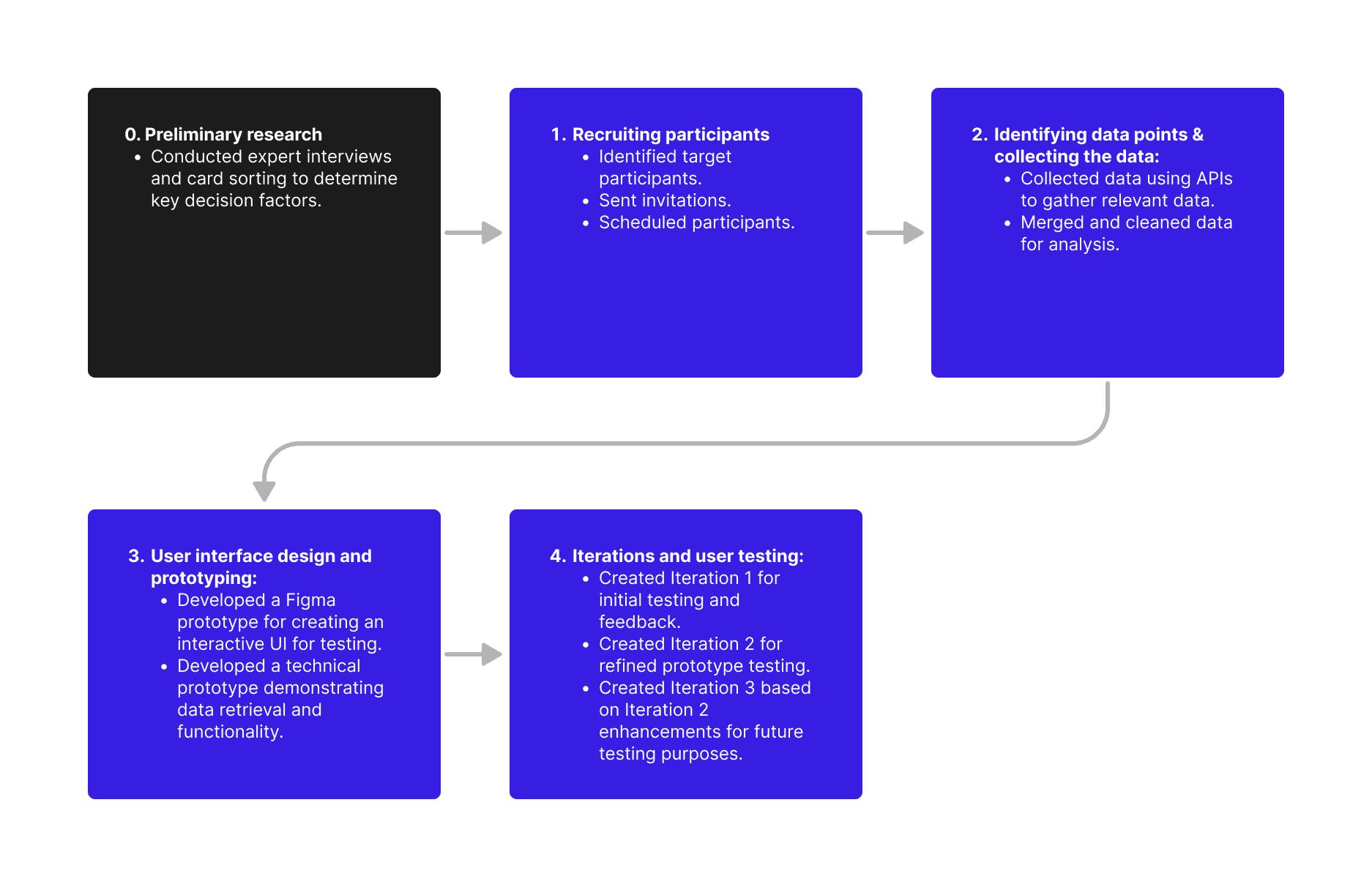
Figure 1: visual representation of the steps taken in the research methodology.
1. Recruiting participants
Participants were recruited based on specific criteria: freight forwarders working for a freight forwarding company or who had recently (in the last 3 years) worked for a freight forwarding company. A list of potential candidates was compiled through discussions with the client's key relationship manager, comprising at least 25 contacts. Invitations were sent detailing the research's general goals, the purpose of testing the digital prototype (Figma), the 40-minute duration, and a few date and time options. Candidates were also informed about data anonymization procedures and their rights under the General Data Protection Regulation (GDPR). Five participants offered to participate in the user tests for the first iteration, after which three other participants were scheduled to test iteration 2.
2. Identifying data points & collecting the data
Relevant data points were identified through preliminary expert interviews and card-sorting activities with experts to inform their cost-option decisions. These identified data points were used as reference points for testing purposes (see "Identifying datapoints from desk research," Technical Report, p. 2). The technical model was based on factors such as data quality (accuracy, timeliness, completeness, relevance) (Janssen, van der Vorst & Wahyudi, 2017), the use of historical and real-time cost data for decision-making efficiency (Cronbach & Shavelson, 2014; Ghasemaghaei, Ebrahimi & Hassanein, 2018).
Data was collected using the [client name withheld for privacy] rate API to retrieve cost information, with additional flight-related data provided by the [client name withheld for privacy] schedule API. This data was cleaned and formatted into a single Python data frame to map historical cost data. The origin location, the destination location, the weight and volume were necessary parameters for the [client name withheld for privacy] rate API to return the cost options. This is a common practice among freight forwarders when searching and comparing cost options and was captured as a prerequisite for testing the user interface design and prototype.
Data retrieval and cleaning using both APIs resulted in a clean dataset, including the key variables per cost option. These key variables, crucial for freight forwarders' decision-making, are detailed in the technical report's Section 2, 'Data API retrieval and pre-processing of the data' on page 5.
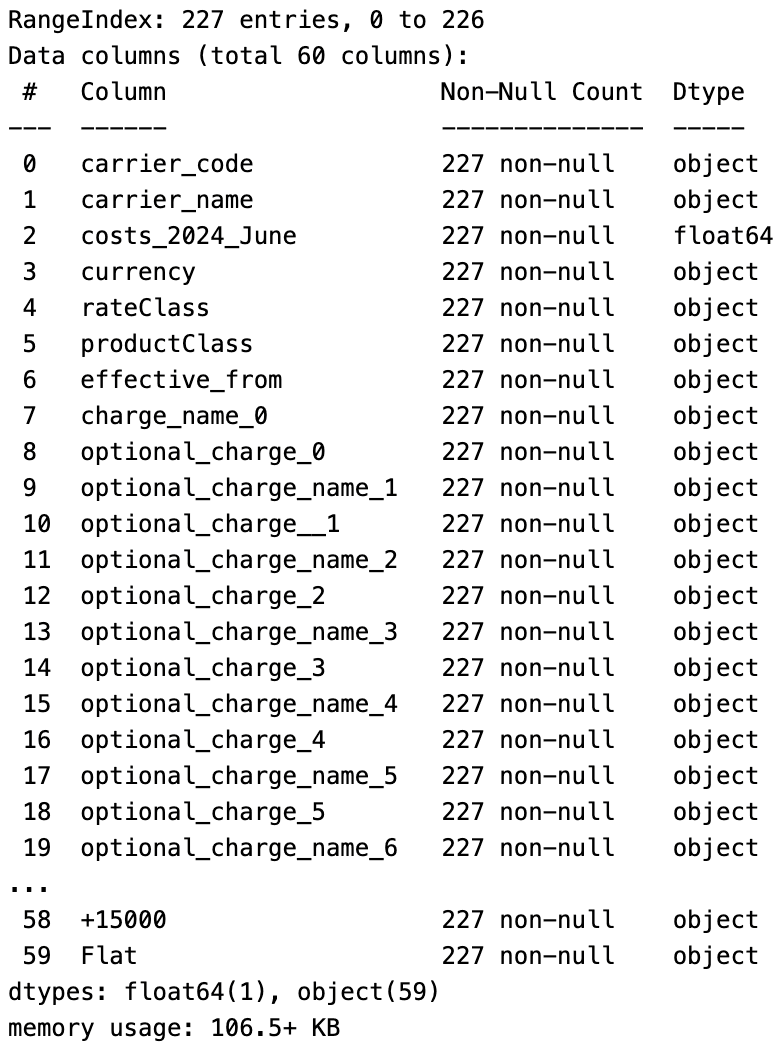
Figure 2: The merged data set showing the key variables used to build the prototype. Essential variables include carrier name, total cost, departure and arrival times, and additional charges, all crucial for freight forwarders' decision-making. This data set forms the
foundation of the prototype, ensuring accurate and reliable cost comparisons.
3. User interface design and prototyping
The interactive, clickable user interface prototype created using Figma mimicked the shipping options search process. This included input fields for route details (origin, destination, date) and shipment specifics (volume, weight, commodity). The data variables provided by the [client name withheld for privacy] rate and schedule APIs were incorporated into each search result. This step was aimed on validating the usefulness of data variables for freight forwarders in making cost-efficient decisions.
4. Iterations and user testing
Two iterations of the clickable Figma prototype were developed and tested, with the first round including 5 participants and the second round with 3 participants. The first iteration focused on testing the effectiveness and relevance of the predefined data variables, price analysis, and adaptive rearrangement of cost options based on past user decisions to assess their contribution and value in informed decision-making quality and efficiency.
Participants received a fictive scenario, as illustrated in Figure 3, prompting them to search and compare the cost options to identify the most suitable one. They were asked to think aloud during the session, verbally express their thoughts, and provide retrospective feedback to evaluate the success and value of data-driven aspects in improving decision-making. Questions were formed based on the literature to measure decision quality and efficiency (Ghasemaghaei, Ebrahimi, & Hassanein, 2018; Jarupathirun, 2007) combined with customized questions to measure the effectiveness of the personalization features of the prototype.
The second iteration in Figma incorporated feedback from the first round of user tests to refine the relevant and valuable data variables, the price analysis, and the adaptive rearrangement of cost options for further testing and refinement.
The final iteration was built upon the feedback from the second round of testing to further enhance the prototype's usability and functionality. This iteration focused on refining the user interface, ensuring seamless integration of automated data input mechanisms, and improving the clarity and accessibility of cost-related information. Figures 3 to 7 illustrate the final iteration of the Figma prototype, demonstrating the dominant user flow that leads to selecting an option.
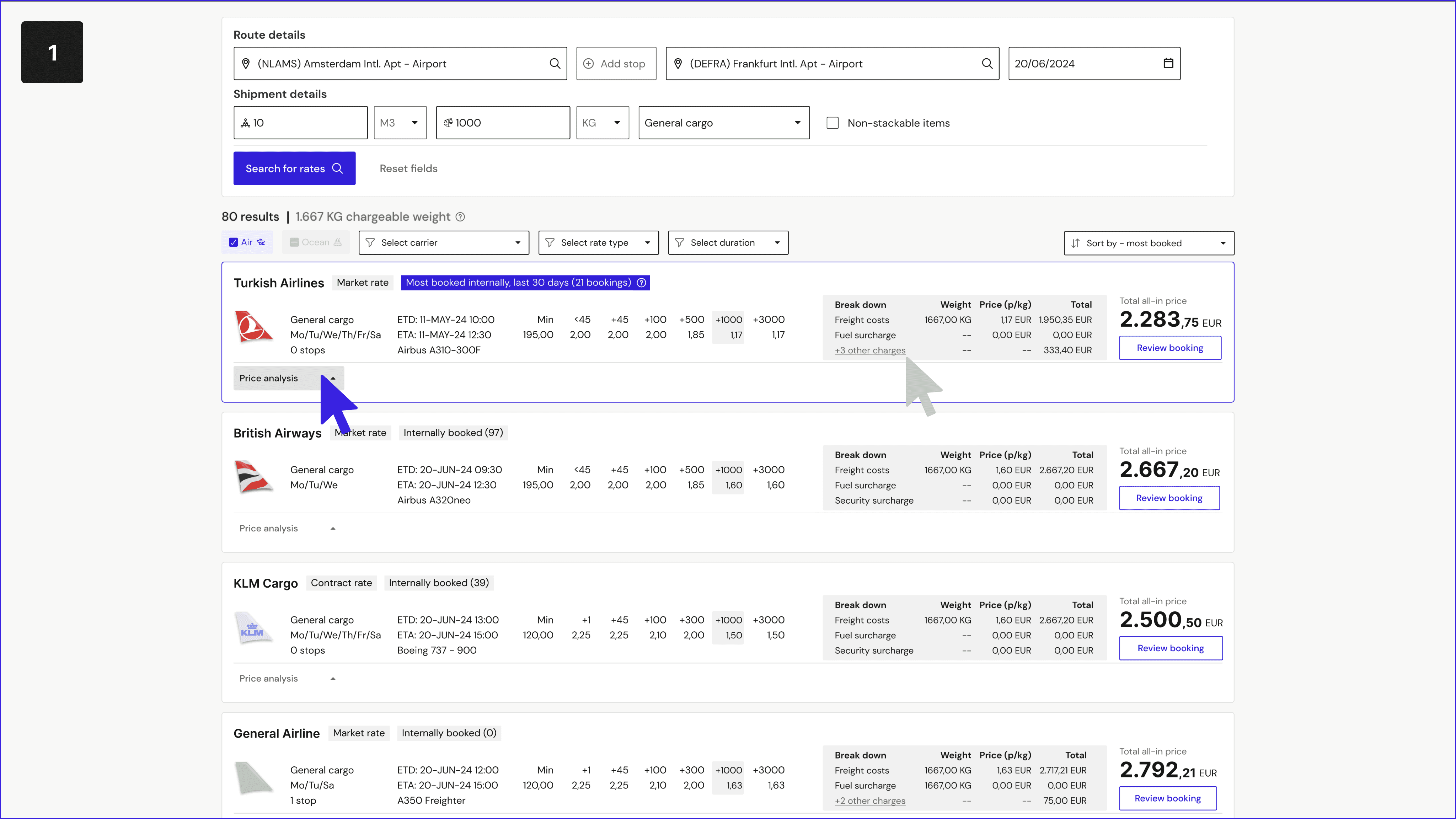
Figure 3: Key information crucial to making the correct choice includes carrier name, total cost, aircraft type for cargo fit assessment, ETD, ETA, and operating days in case of potential delays.
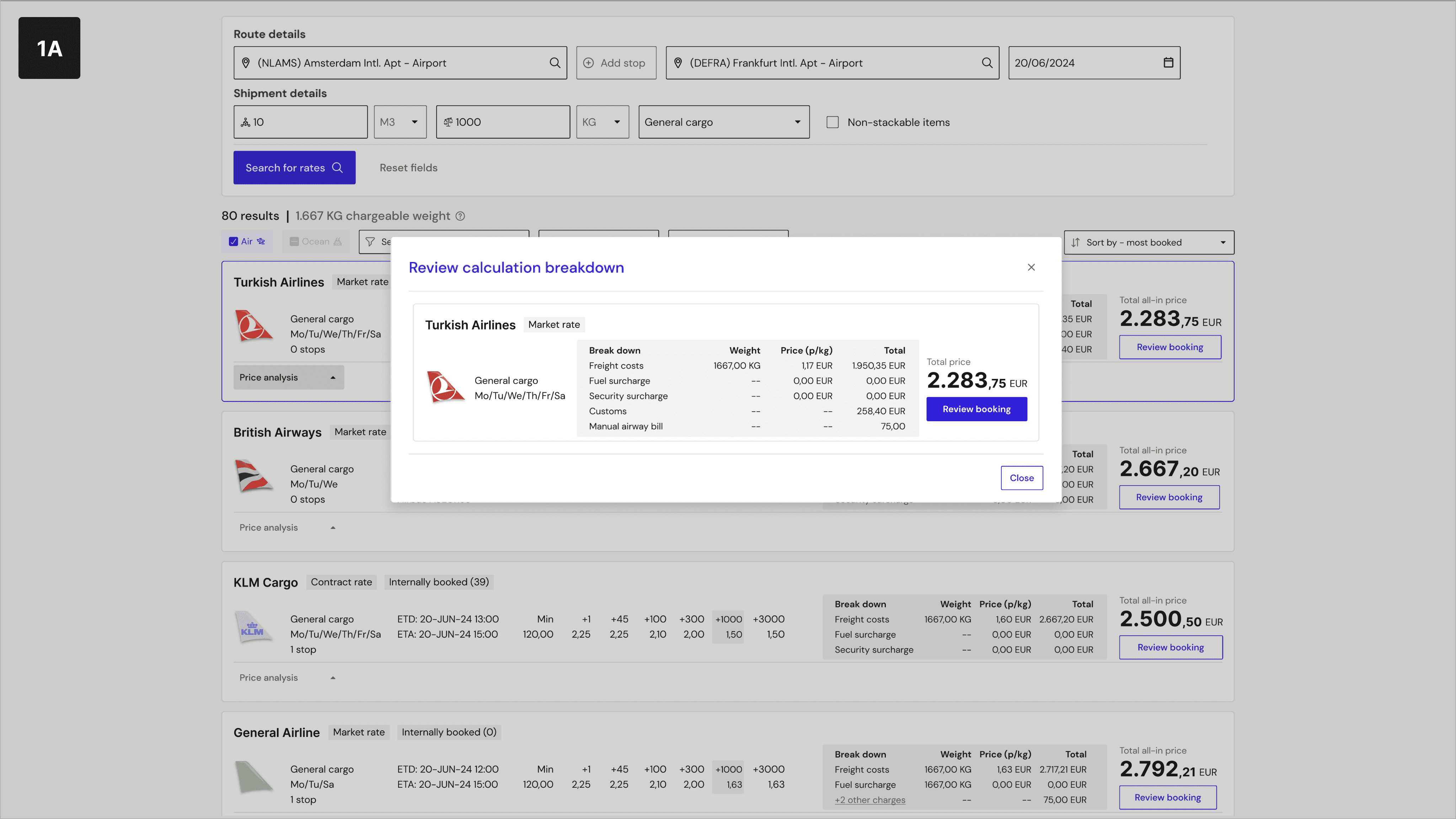
Figure 4: Viewing the detailed breakdown of a cost option to critically assess additional charges and ensure the accuracy and completeness of the price.
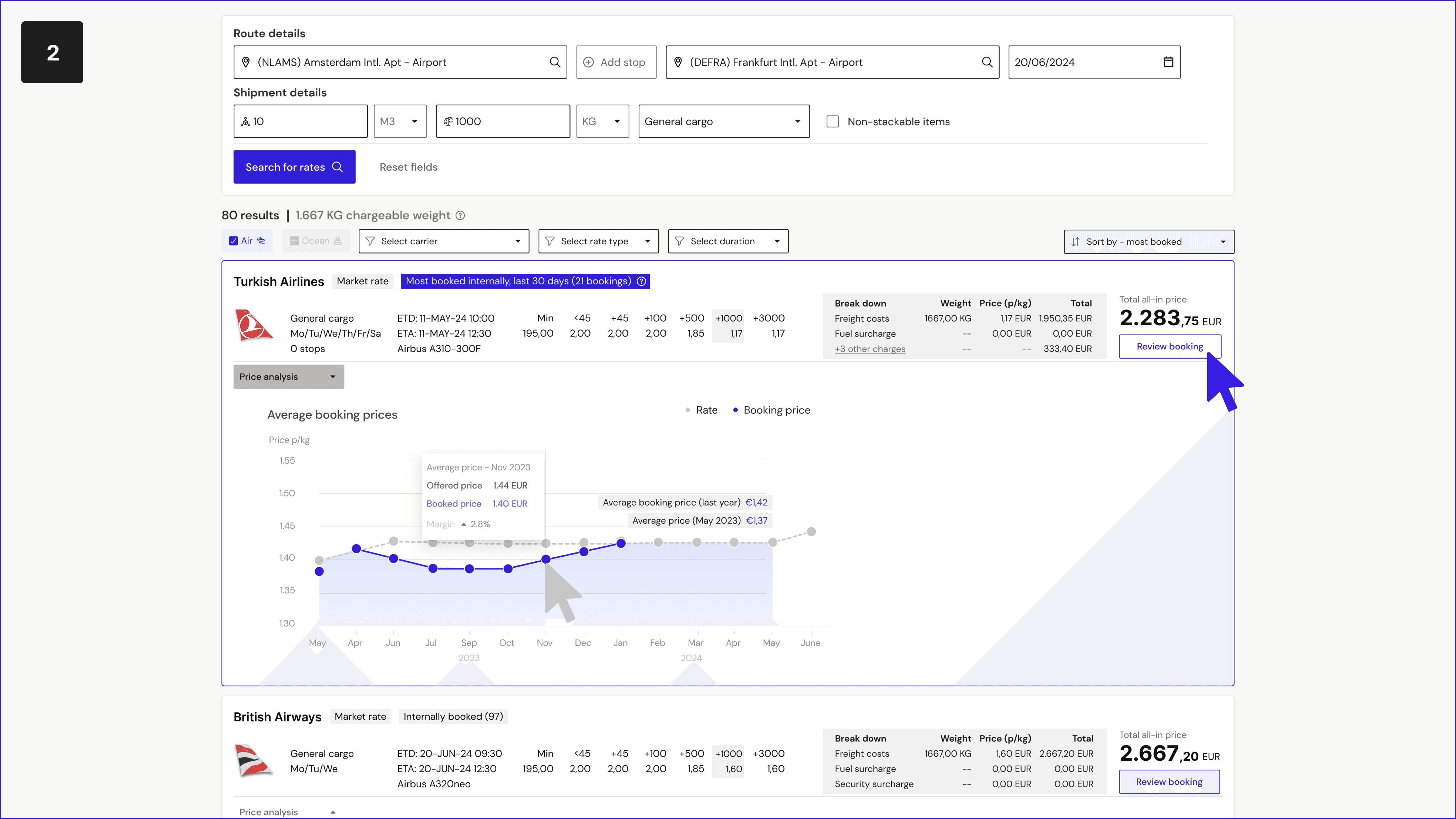
Figure 5: Access to historical and future pricing trends and real-time updates supports decision-making by enabling users to anticipate cost changes and make informed booking decisions.
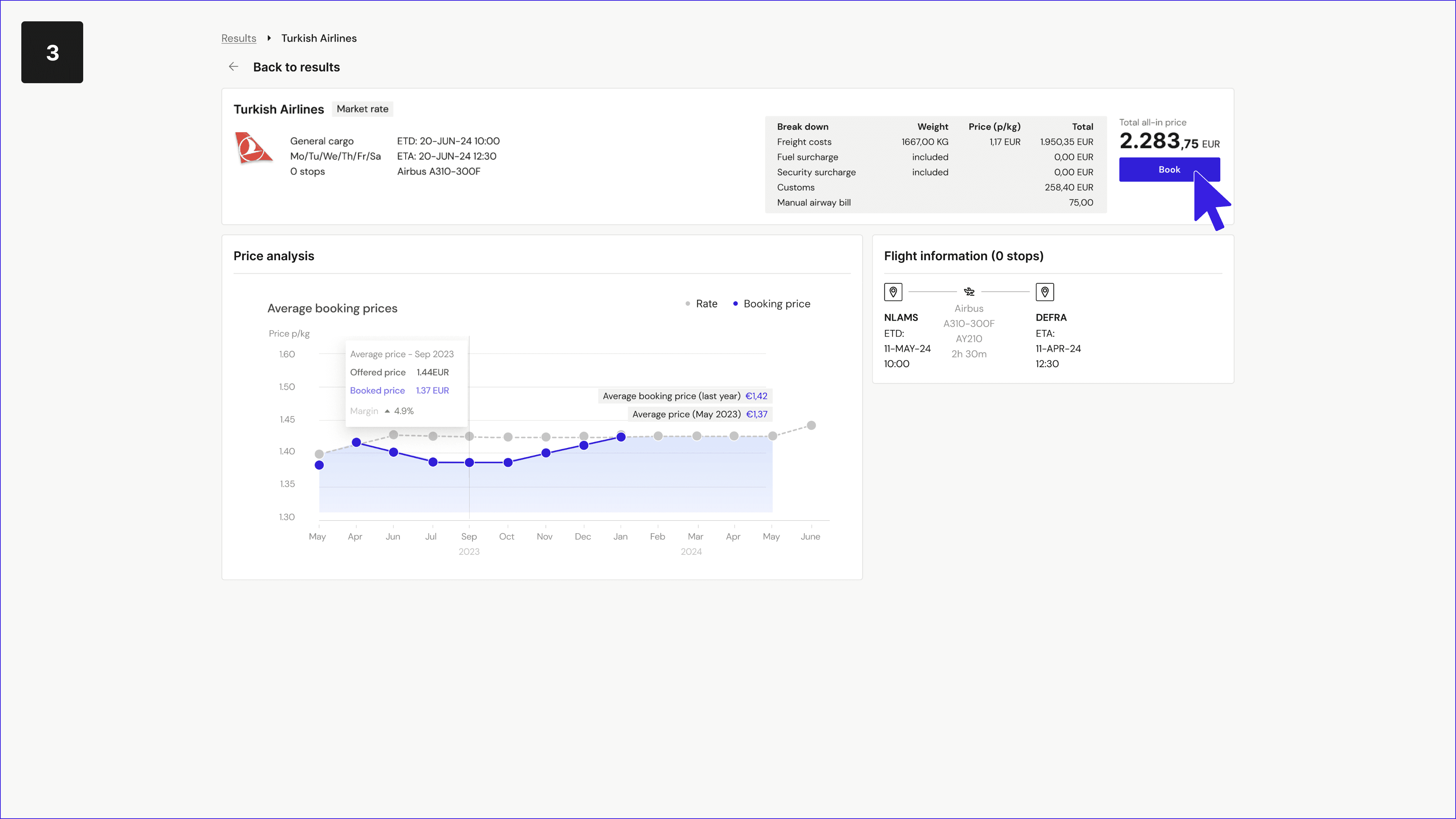
Figure 6: Review all essential information to decide and book a cost option.
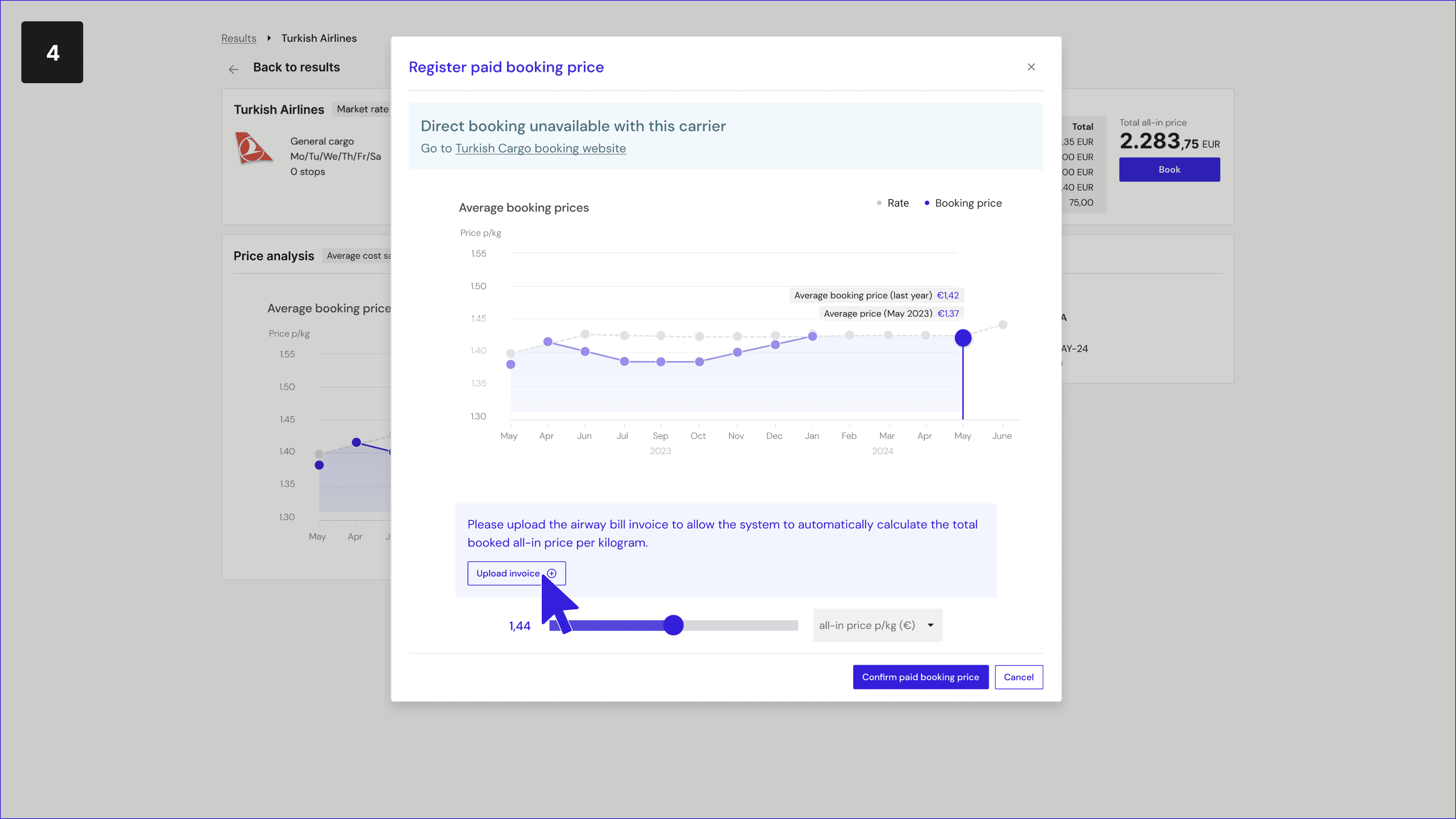
Figure 7: While participants acknowledge the benefits of entering the booking price per kilogram for cost considerations, they prefer automated solutions over manual data entry to streamline the process and prevent errors.
Data management plan
During the test, only non-identifiable data was collected, including observational notes and retrospective responses to questions from participants. To protect the privacy of the participants, all data were anonymized using pseudonyms such as 'participant 1.' This information was documented as digital notes and securely stored on the HU OneDrive with two-factor authentication.
To ensure GDPR compliance, participants received information on data collection, processing, usage, and storage in the invitation email and during the introduction of the test. They were also briefed on their rights, including withdrawal of consent, purpose of use, and duration of data storage.
Before collecting any data, verbal consent was obtained from the participants. Contact details were provided in the invitation email and consent form for participants to address any queries or concerns they had.
In summary, the data management plan prioritized GDPR compliance, participant privacy, and secure storage to maintain the confidentiality and integrity of all collected data. Except for the technical report, all data collected during the study will be deleted after this study.
Results
The study yielded interesting results in two iterations of testing, each building on the previous to refine and enhance the system based on user feedback. Participants provided valuable insights that informed iterative improvements, leading to a more informed and supportive decision-making prototype.
Iteration 1 - Results from the first testing round
In the initial test round, the participants (n=5) interacted with the prototype and provided valuable feedback on various aspects of the system. Participants were satisfied with the search, sort, and filter options to compare the different cost options. They emphasized the 17 need for access to essential information about each cost option, such as carrier name, total price, departure and arrival times of associated schedules, and inclusion of all relevant charges, which was prioritized for informed decision-making by all participants (5/5). Most of the participants (4/5) highlighted the importance of displaying all-inclusive prices, fuel surcharges, and security fees for accurate cost estimation.
The historical booking price analysis feature was valued to evaluate trends over time and negotiate prices with carriers. However, clarity was needed with respect to its focus on average versus specific booking prices. Participants (5/5) found the (historical) price analysis helpful in evaluating trends and fluctuations over time. This facilitated a more accurate cost estimation, an advantageous aspect in price negotiation with carriers, and allowed participants to position themselves better than competitors in the market. The participants emphasized the importance of accurate and reliable rate and booking price data in the analysis to build trust in the system. However, the data-driven functionality of entering booking prices to feed the price analysis was misinterpreted by all participants (5/5). Automation in booking price data entry was seen as crucial to avoid errors and improve efficiency, with participants highlighting the importance of accurate and reliable data to build trust in the system. Access to future pricing trends and real-time updates was considered beneficial for anticipating cost changes and making informed decisions, although not explicitly mentioned by all participants (3/5). The initially misunderstood data-driven recommendation feature, top booked, was unanimously later recognized as a valuable indicator of carrier reliability by the participants (5/5).
Iteration 2 - Results from the second testing round
Building upon the insights gathered from the initial testing round (Iteration 1), several enhancements were implemented in the second iteration to address participant feedback and further refine the system. Key information crucial to making the correct decision, including carrier name, total cost, aircraft type for cargo fit assessment, estimated departure time (ETD), estimated arrival time (ETA), operating days in case of possible delays, and historical booking data for pricing trends analysis based on price per kilogram, was consistently identified by participants (n = 3). After selecting a cost option, participants (3/3) focused primarily on examining the total all-in price, checking for additional charges (2/3), and ensuring the accuracy and completeness of the price analysis (2/3), emphasising the
importance of detailed cost analysis in decision-making. Although the available data provided valuable information, participants expressed the need for more transparency with respect to charges (3/3), future pricing trends (1/3), and cargo suitability dimensions (1/3) to further enhance decision-making.
Furthermore, participants (3/3) expressed concerns about the direct input of paid booking prices, mentioning the potential for inaccuracies or data pollution, which could reduce the trustworthiness of the price analysis. They unanimously emphasized the importance of automating the price entry process to mitigate errors and ensure data reliability. Additionally, participants highlighted the importance of accessing comparable price information from the same period in the previous year to establish a realistic benchmark for booking prices, helping in more informed decision-making.
Although the participants recognized the benefits of entering the booking price per kilogram for cost considerations, they unanimously preferred automated solutions over manual data entry to streamline the process and prevent errors. In addition, participants stressed that access to future pricing trends and real-time updates would further support decision-making by enabling users to anticipate cost changes and make informed booking decisions.
Iteration 3 - Building on iteration 2 enhancements
The insights and results gathered from the user tests conducted during iteration 2 served as valuable input for further enhancements in iteration 3. Building on the refinements implemented in the previous iteration, iteration 3 aimed to address the remaining user needs and optimize the system functionality for enhanced user experience and decision-making quality and efficiency.
First, the overview of charges, including fuel surcharges and security fees, was improved within the booking options. This gives users a clear breakdown of the total price, ensuring transparency in cost calculations. Secondly, users were provided with insight into future pricing trends, enabling them to
anticipate changes in costs. This feature, developed in response to user feedback, helps users make more informed decisions and potentially save on costs.
The meaning of the "data-driven" label was clarified to indicate the organization's most booked option over the past 30 days. This will help users understand the popularity of certain options and could aid freight forwarders in negotiating long-term contracts.
An automation feature was introduced to extract booking price data from invoices, simplifying the process and reducing the possibility of errors. This improvement also addressed concerns about inaccurate data entry and potential data pollution in price analysis. By eliminating manual tasks, it improved the user experience and ensured accuracy in price entries.
Conclusion
This study aimed to address the limitations of current cost estimation systems in the freight forwarding industry. These limitations include the lack of adaptability to business needs and inflexibility in integrating data sources to support price analysis to improve decision-making processes in comparing and selecting cost options for companies. This study answers the following research question: "How can an adaptive interface enhance pricing decision-making efficiency in cost estimation for companies?” A prototype web application was developed, featuring a data-driven cost-option comparison tool aimed at improving decision-making quality and efficiency. A core aspect of the prototype was the adaptive rearrangement of cost options based on past user decisions. This feature highlighted frequently booked options, reflecting their reliability and popularity. Participants appreciated this adaptive rearrangement, aligning with the findings of Lavie & Meyer (2010) and Janssen, van der Voort, & Wahyudi (2017) regarding the role of adaptive interfaces in improving decision-making efficiency.
Furthermore, participants reported value in the booking price analysis feature, which allowed participants to input paid booking prices, evaluate trends over time, compare recurring costs, and identify optimal delivery time. These insights, in line with the findings of Ghasemaghaei et al. (2018) and Janssen, van der Voort & Wahyudi (2017), informed the decision-making strategies of the participants and underscored the importance of accurate data entry for reliable price analysis and, consequently, the success of cost estimation processes.
Despite the recognized importance of manual data entry for price analysis, participants unanimously emphasized the need for automation to ensure data reliability and streamline the decision-making process. This preference for automated data entry aligns with the conclusions stated by Ghasemaghaei et al. (2018) regarding the importance of automation in enhancing decision-making efficiency.
In conclusion, this research contributed to improving cost estimation systems in business contexts. It emphasizes the importance of AUI and the integration of real-time data in improving decision-making processes within the freight forwarding industry.
Discussion
Summary
The study results generally align with initial expectations and the existing literature, suggesting that adaptive user interfaces (AUIs) can improve user satisfaction and decision- making efficiency (Álvarez-Cortés et al., 2009; Wesson, 2021). This aligns with the findings that efficiency of decision-making is crucial for making optimal decisions in a short period, which involves a timely and accurate assessment of various factors (Ghasemaghaei, Ebrahimi, & Hassanein, 2018), particularly in dynamic industries such as freight forwarding (Agyekum-Mensah, 2018). Additionally, the theoretical framework and results reflected the importance of data quality and the role of sophisticated tools in improving decision-making efficiency (Deloitte, 2013; Petrini & Pozzebon, 2009).
However, unexpected findings emerged during the investigation. Data accuracy and reliability were identified as critical factors influencing system trustworthiness, which aligns with the importance of data quality in decision-making highlighted by Janssen, van der Voort, and Wahyudi (2017). Participants emphasized that the price analysis feature would become useless if inaccurate data were entered, leading to data pollution and unreliable analyses, which could ultimately lead to suboptimal decisions. This underscores the fundamental importance of trusting the integrity of the system's data for participants to effectively utilize the price analysis feature to their advantage in cost estimation, evaluation of cost options, and informed decision-making. It was unanimously agreed that ensuring up-to-date and accurate price information through a data-driven solution is crucial to making well-informed decisions. As a preventive measure, participants expressed a clear preference for an automated data input mechanism over manual entry to mitigate the risk of inaccuracies, typos, and errors, all of which could compromise the reliability of the price analysis. However, challenges persist in maintaining the accuracy of automated data inputs and overall data integrity in automated systems, reflecting concerns from previous research on the limitations of over-reliance on automation in decision-making processes (Lavie & Meyer, 2010).
Limitations
However, the study faced several limitations. The relatively small and specific sample size used for user testing can affect the generalizability of the findings. Participants were selected from a particular segment of the freight forwarding industry, which may not fully represent the diversity of all potential users, making it uncertain whether the results can be broadly applied in different contexts and user groups. Methodological limitations affected the depth of user testing and the number of prototype iterations. Additionally, reliance on scripted scenarios rather than real-life testing environments may have limited the authenticity of user feedback. Testing the prototype in real-world settings could provide a more accurate assessment of its performance under operating conditions and identify context-specific challenges.
Future research
Future research should focus on several key areas to elaborate upon this study's findings and address unresolved issues. First, data-driven automation is crucial. The participants expressed a strong preference for automated data entry to improve data accuracy and integrity, which supports a reliable price analysis. Future research should test the automation of price entry using iteration 3 of the prototype to ensure that the system can maintain data integrity and avoid human errors in data entry.
Furthermore, the current study did not address the participants' desire for more detailed cost analysis. Future research could explore the development of a financial dashboard tailored for freight forwarders. This dashboard would align with participants' needs to monitor organizational price performance over time and could provide comprehensive insights into financial trends and metrics (Few, 2013; Yigitbasioglu & Velcu, 2012). Investigating the implementation and effectiveness of such financial dashboards could further improve decision-making processes in the freight forwarding industry (Rausch, Sheta & Ayesh, 2013; Rasmussen, Chen, & Bansal, 2009).
References
Agyekum-Mensah, G. (2018). The degree of accuracy and factors that influence the uncertainty of SME cost estimates. International Journal of Construction Management, 19(5), 413–426. https://doi.org/10.1080/15623599.2018.1452094
Agyekum-Mensah, G., Knight, A., & Coffey, C. (2012). 4Es and 4Poles model of sustainability: redefining sustainability in the built environment. Structural Survey, 30(5), 426–442.
Akintoye, A. (2000). Analysis of factors influencing project cost estimating practice. Construction Management and Economics, 18, 77–89.
Alumbugu, P. O., Ola-awo, W. A., Saidu, I., Abdullahi, M. M., & Abdulazeez, A. (2014). Assessment of the factors affecting accuracy of pre-tender cost estimate in Kaduna state, Nigeria. IOSR Journal of Environmental Science, Toxicology and Food Technology (IOSR-JESTFT), 8(5), 19-27.
Ambrasaite, I., Leleur, S., Nicolaisen, M. S., & Salling, K.B. (2012). UPD - the UNITE Project Database: Collection of reference class information. Database concerning cost and demand inaccuracies, database developed as part of the UNITE (Uncertainties in Transport Project Evaluation) project funded by the Danish Council for Strategic Research (2009-2013). https://www.researchgate.net/publication/257718830_A_New_Approach_to_Feasibility_Risk_Assessment_within_Transport_Infrastructure_Appraisal
Asmussen, J., Kristensen, J., & Wæhrens, B. V. (2017). The link between supply chain design decision-making and supply chain complexity. IFIP International Conference on Advances in Production Management Systems, Springer, Cham, pp. 11-19.
Baccarini, D. (2004). Estimating project cost contingency-a model and exploration of research questions. In K. Farzad (Ed.), ARCOM 20th Annual Conference (pp. xxx-xxx). Edinburgh: Association of Researchers in Construction Management.
Ben-Arieh, D., & Qian, L. (2003). Activity-based cost management for design and development stage. International Journal of Production Economics, 83(1), 169–183. https://doi.org/10.1016/S0925-5273(02)00280-2
Benge, D. P. (2014). NRM1 Cost Management Handbook. In Routledge eBooks. https://doi.org/10.4324/9781315848754
Benge, D.P. (2014). NRM1 cost management handbook. Hoboken: Taylor and Francis.
Bolger, N., & Zuckerman, A. (1995). A framework for studying personality in the stress process. Journal of Personality and Social Psychology, 69(5), 890–902. https://doi.org/10.1037/0022-3514.69.5.890
Bowersox, D. J., Closs, D. J., & Cooper, M. B. (2013). Supply chain logistics management (4th ed.). McGraw-Hill Education.
Blocher, E. J., Stout, D. E., Juras, P. E., & Cokins, G. (2019). Cost Management: A Strategic Emphasis. McGraw-Hill Education.
Cheong, P. F. (1991). Accuracy in design stage cost estimating [Unpublished master's thesis]. National University of Singapore.
Collins, A., & Baccarini, D. (2004). PROJECT SUCCESS — a SURVEY. Journal of Construction Research, 5(2), 211–231. https://doi.org/10.1142/s1609945104000152
Cong, C., & Zhou, B. (2019). Lack of adaptability in traditional systems: Bridging the gap between system capabilities and organizational needs. https://doi.org/10.1016/j.sysarc.2019.08.00-4
Cronbach, L. J., & Shavelson, R. J. (2004). My current thoughts on coefficient alpha and successor procedures. Educational and Psychological Measurement, 64(3), 391-418.
CMMI for Services, Version 1.2 [online]. Available from: http://www.sei.cmu.edu/reports/09tr001.pdf [Accessed 6 October 2009].
Enshassi, A., Mohamed, S., & Abdel-Hadi, M. (2013). Factors affecting the accuracy of pre-tender cost estimates in the Gaza Strip. Journal of Construction in Developing Countries, 18(1), 73–94.
Few, S. (2013). Information dashboard design: Displaying data for at-a-glance monitoring (2nd ed.). Analytics Press.
Flyvbjerg, B. (2007). Curbing optimism bias and strategic misrepresentation in planning: Reference Class Forecasting in Practice. European Planning Studies, 16(1), 3–21. https://doi.org/10.1080/09654310701747936
Flyvbjerg, B., Holm, M. K., & Buhl, S. L. (2005). How (in)accurate are demand forecasts in public works projects? The case of transportation. Journal of the American Planning Association, 71(2), 131-146.
Flyvbjerg, B., Skamris Holm, M. K., & Buhl, S. L. (2003). How common and how large are cost overruns in transport infrastructure projects? Transport Reviews, 23(1), 71-88.
Gajos, K. Z., & Weld, D. S. (2006). SUPPLE: Automatically generating user interfaces. In Proceedings of the 9th International Conference on Intelligent User Interfaces (IUI '06). ACM, New York, NY, USA.
Gajos, K., Weld, D. S., & Wobbrock, J. O. (2008). Improving the performance of motor-impaired users with automatically-generated, ability-based interfaces. In Proceedings of the SIGCHI Conference on Human Factors in Computing Systems (CHI '08). ACM, New York, NY, USA.
Ghasemaghaei, M., Ebrahimi, S., & Hassanein, K. (2018). Data analytics competency for improving firm decision making performance. The Journal of Strategic Information Systems, 27(1), 101–113. https://doi.org/10.1016/j.jsis.2017.10.001
Huang, X., Newnes, L., & Parry, G. (2012). The adaptation of product cost estimation techniques to estimate the cost of service. International Journal of Computer Integrated Manufacturing, 25(4–5), 417–431. https://doi.org/10.1080/0951192x.2011.596281
Jagadish, H. V., Gehrke, J., Labrinidis, A., Papakonstantinou, Y., Patel, J. M., Ramakrishnan, R., & Shahabi, C. (n.d.). Big data and its technical challenges. Communications of the ACM, 57(7), 86–94. https://doi.org/10.1145/2611567
Janssen, M., Van Der Voort, H., & Wahyudi, A. (2017). Factors influencing big data decision-making quality. Journal of Business Research, 70, 338–345. https://doi.org/10.1016/j.jbusres.2016.08.007
Jarupathirun, S., 2007. Exploring the influence of perceptual factors in the success of web-based spatial DSS. Decis. Support Syst. 43 (3), 933–951.
Kaplan, R. S., & Anderson, S. R. (2007). Time-driven activity-based costing: A simpler and more powerful path to higher profits. Harvard Business School Press.
Kaufmann, L., Michel, A., & Carter, C. R. (2009). Debiasing strategies in supply management decision-making. Journal of Business Logistics, 30(1), 85-106.
Krämer, W. (2013). Kahneman, D. (2011): Thinking, Fast and Slow. Statistical Papers, 55(3), 915. https://doi.org/10.1007/s00362-013-0533-y
Langley, C. J., Coyle, J. J., Gibson, B. J., Novack, R. A., & Bardi, E. J. (2009). Managing supply chains: A logistics approach. South-Western Cengage Learning.
Larsen, M. M., Manning, S., & Pedersen, T. (2013). Uncovering the hidden costs of offshoring: The interplay of complexity, organizational design, and experience. Strategic Management Journal, 34(5), 533-552.
Lavie, T., & Meyer, J. (2010). Benefits and costs of adaptive user interfaces. International Journal of Human-Computer Studies, 68(8), 508–524. https://doi.org/10.1016/j.ijhcs.2010.01.004
Leung, K. H., Luk, C., Choy, K. L. T., Lam, H. Y., & Lee, C. K. M. (2019). A B2B flexible pricing decision support system for managing the request for quotation process under e-commerce business environment. International Journal of Production Research, 57(20), 6528–6551. https://doi.org/10.1080/00207543.2019.1566674
Lorsch, J. W., & Durante, K. (2013). McKinsey & Company. Harvard Business School. https://faculty.washington.edu/pathaksd/BBUS549/Recommended Readings/McKinsey & Company.pdf
Manuj, I., & Sahin, F. (2011). A model of supply chain and supply chain decision-making complexity. International Journal of Physical Distribution & Logistics Management, 41(5), 511-549.
Matthews, D. (2008): Usability as an ERP Selection Criteria, IFS. Available at http://ifs.datahost.com/shop/images/wp-usability.pdf
Mislick, G. K., & Nussbaum, D. A. (2015). Cost estimation. https://doi.org/10.1002/9781118802342
Montgomery, A. L. (2005). The implementation challenge of pricing decision support systems for retail managers. Applied Stochastic Models in Business and Industry, 21(4–5), 367–378. https://doi.org/10.1002/asmb.572
Nadkarni, S., & Barr, P. S. (2008). Environmental context, managerial cognition, and strategic action: An integrated view. Strategic Management Journal, 29(13), 1395-1427.
Niazi, A., Dai, J. S., Balabani, S., & Seneviratne, L. (2006). Product cost estimation: Technique classification and methodology review. Journal of Manufacturing Science and Engineering, 128(2), 563–575. https://doi.org/10.1115/1.2137751
Norman, D. A. (2013). Design of Everyday Things: Revised and Expanded. New York: Basic Books. The UK edition is published by MIT Press, London. https://d5ln38p3754yc.cloudfront.net/content_object_shared_files/294b324ed17b4cba905c4c394fd7dd6206131e90/The-Design-of-Everyday-Things-Revised-and-Expanded-Edition.pdf?1495759279
Oladokun, M. G., Oladokun, A. A., & Odesola, I. A. (2011). Accuracy of pre-tender cost estimates of consultant quantity surveyors in Nigeria. Journal of International Real Estate and Construction Studies, 1(1), 39. https://www.researchgate.net/publication/235436111_Accuracy_of_Pre-Tender_Cost_Estimates_of_Consultant_Quantity_Surveyors_in_Nigeria
Phillips‐Wren, G., & Adya, M. (2020). Decision making under stress: the role of information overload, time pressure, complexity, and uncertainty. Journal of Decision Systems, 29(sup1), 213–225. https://doi.org/10.1080/12460125.2020.1768680
Rasmussen, N. H., Chen, C. Y., & Bansal, M. (2009). Business dashboards: A visual catalog for design and deployment. John Wiley & Sons.
Rausch, P., Sheta, A. F., & Ayesh, A. (Eds.). (2013). Business intelligence and performance management: Theory, systems and industrial applications. Springer.
Shehab, E. M., & Abdalla, H. S. (2001). Manufacturing cost modelling for concurrent product development. Robotics and Computer-Integrated Manufacturing, 17(4), 341–353. https://doi.org/10.1016/S0736-5845(01)00011-5
Singh, A., & Wesson, J.L. (2009). Evaluation criteria for assessing the usability of ERP systems. In Proceedings of the 2009 Annual Research Conference of the South African institute of Computer Scientists and information Technologists (SAICSIT '09), Vanderbijlpark, Emfuleni, South Africa: 87-95. October 12 - 14. ACM.
Smith, A., & Johnson, B. (2018). The Tax and Investment Management Strategizer (TIMS): Adaptive user interface for financial planning. Journal of Financial Technology, 4(2), 123-135.
Sukumar, S. R., & Ferrell, R. (2013). ‘Big Data’ collaboration: Exploring, recording and sharing enterprise knowledge. Information Services & Use, 33(3–4), 257–270. https://doi.org/10.3233/isu-130712
Salling, K. B., & Leleur, S. (2015). Accounting for the inaccuracies in demand forecasts and construction cost estimations in transport project evaluation. Transport Policy, 38, 8–18. https://doi.org/10.1016/j.tranpol.2014.11.006
Skitmore, R. M., & Picken, D. (2000). The accuracy of pre-tender building price forecasts: An analysis of USA data. Australian Institute of Quantity Surveyors Refereed Journal, 4(1), 33-39. https://eprints.qut.edu.au/4140/1/4140.pdf
Sweller, J. (1988). Cognitive load during problem solving: Effects on learning. Cognitive Science, 12(2), 257–285. https://doi.org/10.1207/s15516709cog1202_4
Toh, T.-C., Ting, C., Ali, K.-N., Aliagh, G.-U., & Munir, O. (2012). Critical cost factors of building construction projects in Malaysia. Procedia – Social and Behavioral Sciences, 57, 360–367.
Topi, H., Lucas, W., & Babaian, T. (2005). Identifying usability issues with an ERP implementation. In Proceedings of 7th International Conference on Enterprise Information Systems, Miami, USA: 128-133.
Wang, R., Asghari, V., Cheung, C., Hsu, S., & Lee, C. J. (2022). Assessing effects of economic factors on construction cost estimation using deep neural networks. Automation in Construction (Print), 134, 104080. https://doi.org/10.1016/j.autcon.2021.104080
Wesson, J. (2021). The design of adaptive interfaces for enterprise resource planning systems. https://www.academia.edu/51808908/The_Design_of_Adaptive_Interfaces_for_Enterprise_Resource_Planning_Systems
Wesson, J., Singh, A., & Van Tonder, B. (2010). Can adaptive interfaces improve the usability of mobile applications? In IFIP advances in information and communication technology (pp. 187–198). https://doi.org/10.1007/978-3-642-15231-3_19
Yigitbasioglu, O. M., & Velcu, O. (2012). A review of dashboards in performance management: Implications for design and research. International Journal of Accounting Information Systems, 13(1), 41-59. https://doi.org/10.1016/j.accinf.2011.08.002
Zhou, J., Wang, T., Cong, P., Lu, P., Wei, T., & Chen, M. (2019). Cost and makespan-aware workflow scheduling in hybrid clouds. Journal of Systems Architecture, 100, 101631. https://doi.org/10.1016/j.sysarc.2019.08.004
Zhou, J., & Cong, P. (2019). Lack of adaptability in traditional systems: Bridging the gap between system capabilities and organizational needs. https://doi.org/10.1016/j.sysarc.2019.08.00-4